
Capital Unlocked 2026 Summit Recap
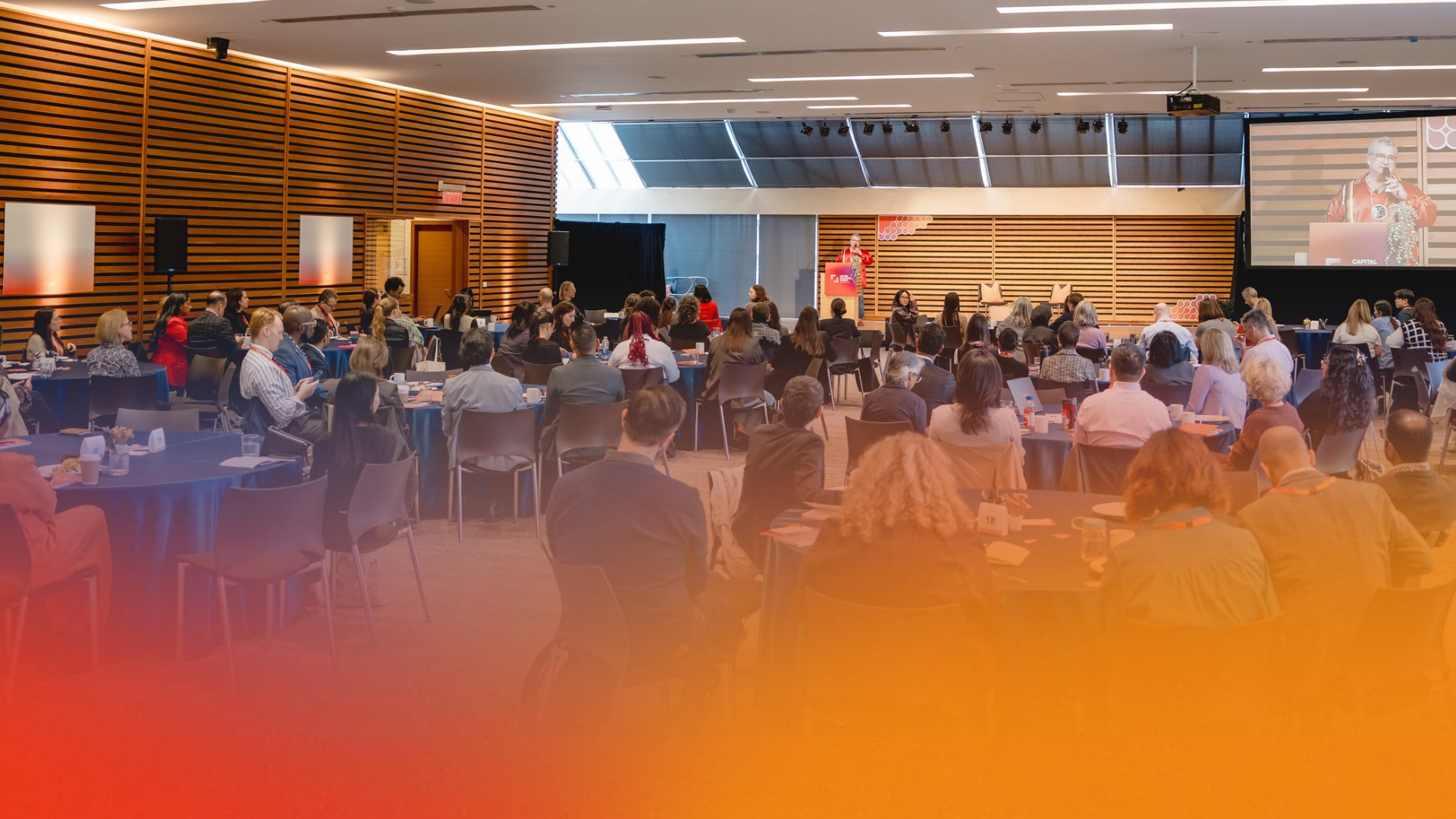
From big-picture questions to practical conversations and working sessions, this year’s Capital Unlocked Summit brought together funders, investors, policymakers, business and community leaders to rethink how capital moves and who shapes its future.
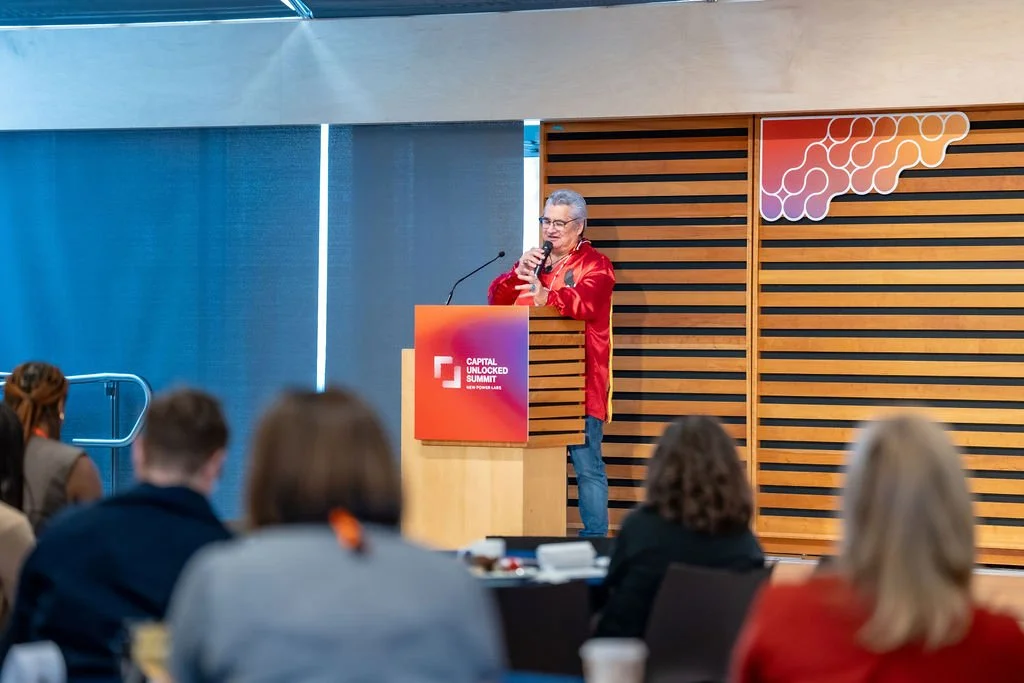
Former Chief R. Stacey Laforme of the Mississaugas of the Credit First Nation opened the Summit by asking us to treat wealth and capital as a collective responsibility and argued that Canada already has the ideas and the capital it needs; what it lacks is partnership. As he put it, “Capital is simply a resource; what we do with it is what actually matters.”
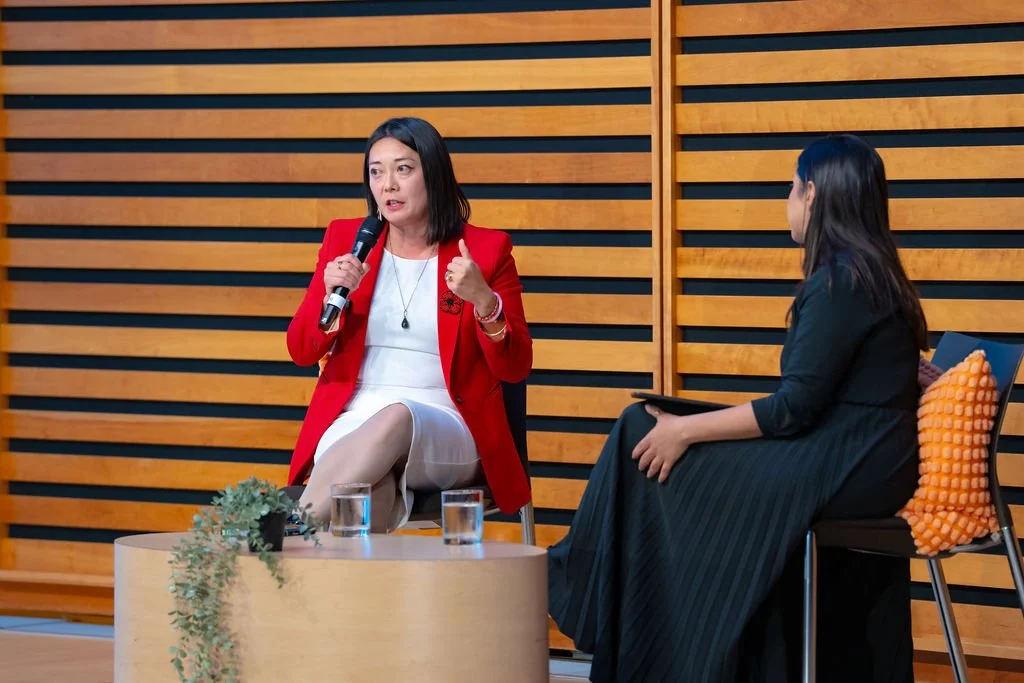
Chi Nguyen (Member of Parliament for Spadina-Harbourfront) and Narinder Dhami (Founder of New Power Labs) urged organizations in the social impact sector and government to build partnerships that advance solutions. Chi was direct about the limits of government: it can and should invest public money and help catalyze change, but it cannot solve systemic problems alone. She invited funders and investors to put their own capital to work alongside government, and help shape policy. She asked organizations to meet with their MPs and bring solutions to the table.
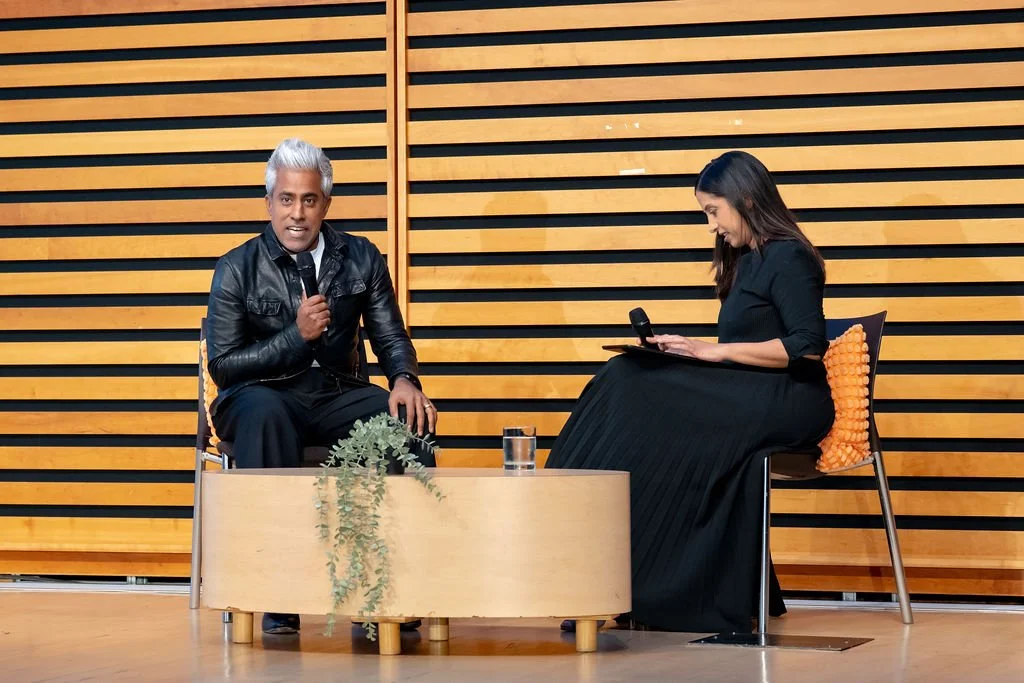
Keynote speaker Anand Giridharadas, author of Winners Take All and The Persuaders, amongst other books, joined Narinder Dhami in conversation about who holds power, who controls capital, and what it takes to change both. Anand asked philanthropy and impact investing to apply a hard test to their work: does it make an unfair system more tolerable, or does it change who holds capital, influence, and decision-making authority? Capital that improves lives builds political power for the overlooked and gives communities a say in the institutions that shape their lives. “Don’t just make people more comfortable in their chains. Break the chains.”
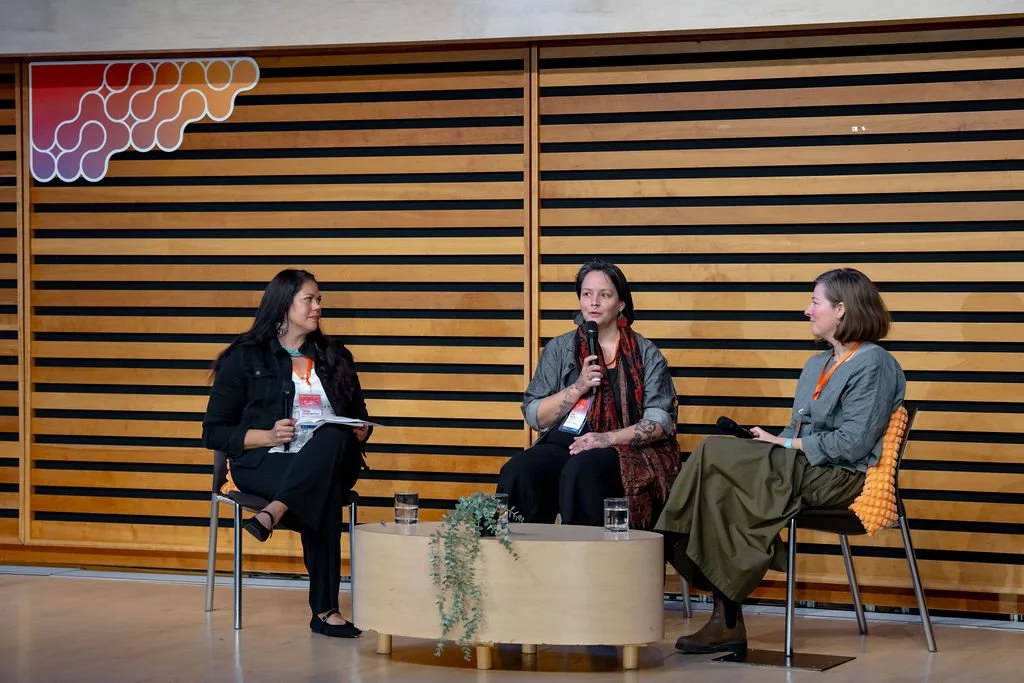
Kim Hardy and Jess Housty (Co-Leads of the Right Relations Collaborative) joined Tanya Chung-Tiam-Fook (Founder of the Condor and the Eagle Institute) to discuss how Indigenous approaches to shared leadership strengthen accountability. Kim and Jess called on funders to recognize their power and confront the truth about extractive systems. The collaborative’s first task was to set a fair table through its Aunties Council, who insisted on asking where the money came from. Truth-based philanthropy, as Kim and Jess described it, means giving without strings attached, examining the harm that funders’ wealth has caused, and questioning norms such as reporting requirements. It also means building relationships that span generations, beyond a single crisis or one-year grant.
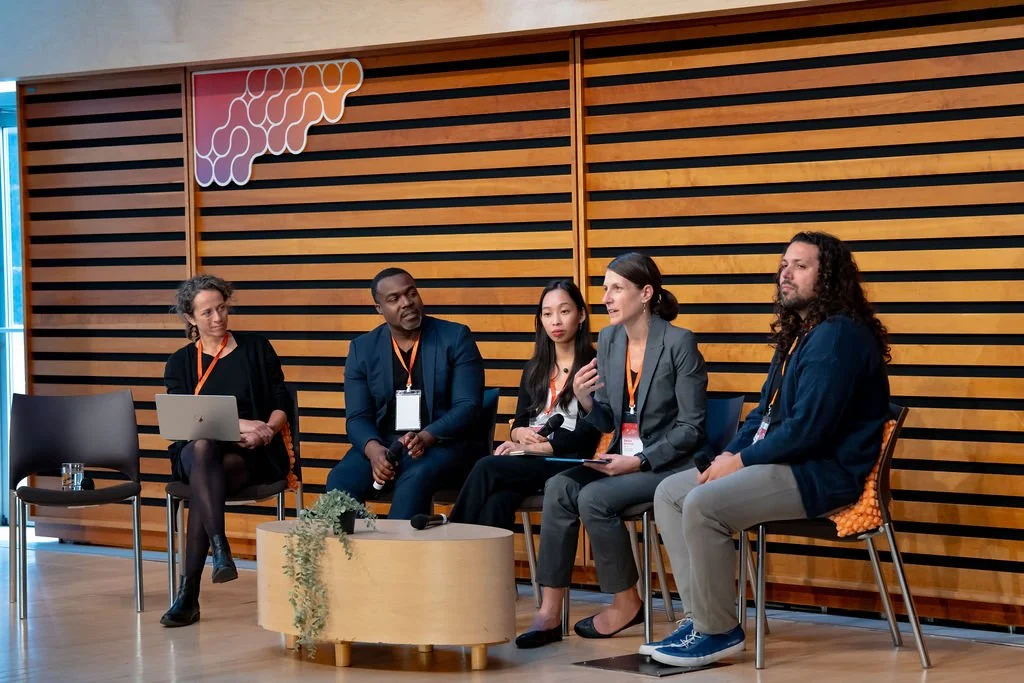
What becomes possible when funders and community organizations align their capital and strategy around shared goals and govern that work together? The panel of André Pawan Vashist (Director of Learning and Collaboration at Philanthropic Foundations Canada); Danya Pastuszek (President and CEO of the Tamarack Institute); Ryan O’niel Knight (Co-founder and board chair of SETSI); Elaine Li (Chief Operating Officer of Shake Up the Establishment); and Mélanie Bisson (Director of Strategic Development at Fondation Béati) noted that the risks that funders are unwilling to take are transferred to communities: the uncertainty of short funding cycles, the cost of administrative burdens, and the compromise of community goals. True partnership requires funders to speak directly with communities, shift support from individual organizations to broader movements, and let communities define goals and outcomes.
Resources: The Canadian Collaborative Funding Initiative (CCFI) is building the infrastructure needed to make collaborative funding the norm in Canada. It brings funders, intermediaries, and community organizations together to map existing models, align capital around shared outcomes, and develop the standards, relationships and tools needed to tackle challenges no organization can solve alone. Explore the initiative, contribute your insights, and discover opportunities to participate in future collaborative funding efforts.
CCFI's website
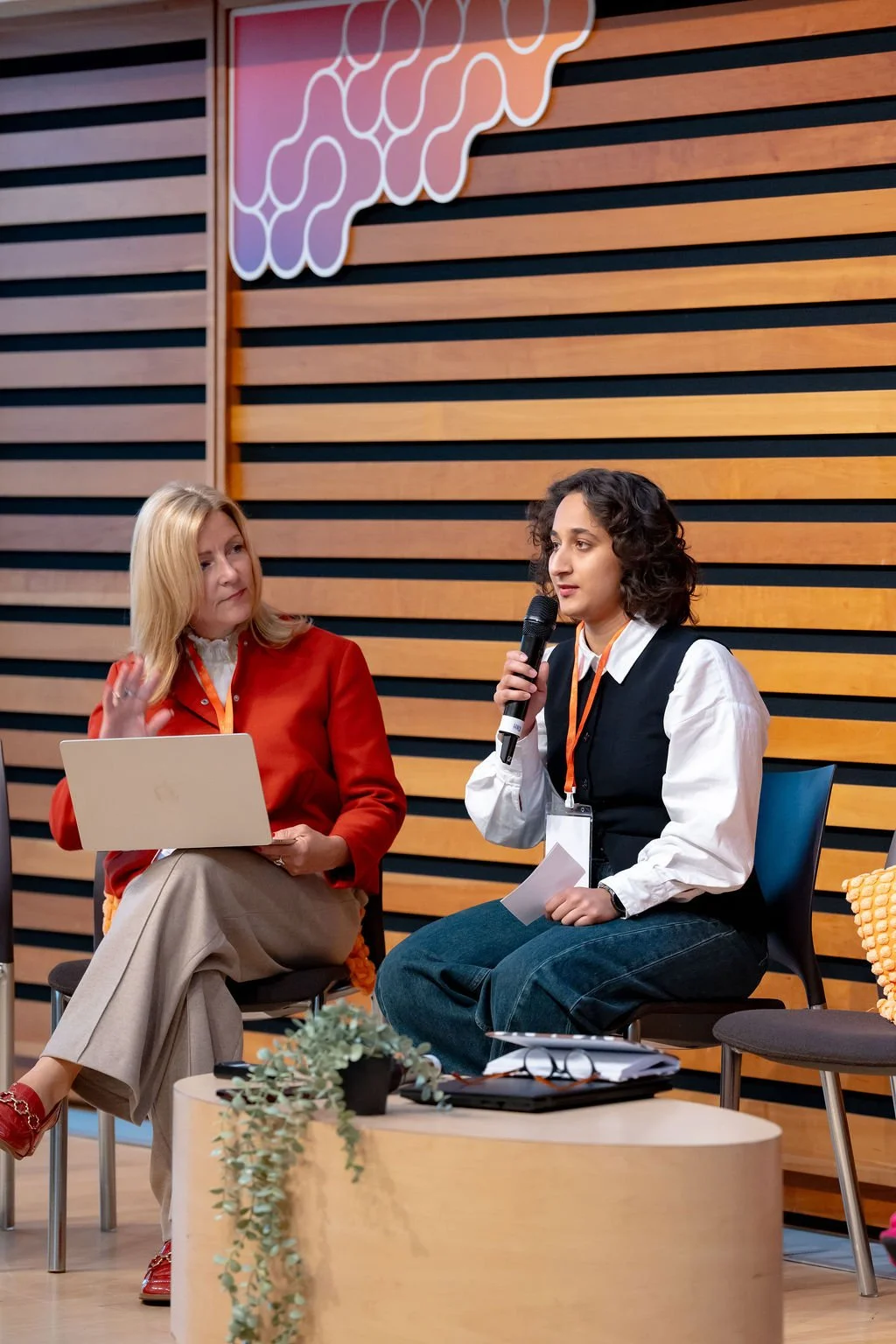
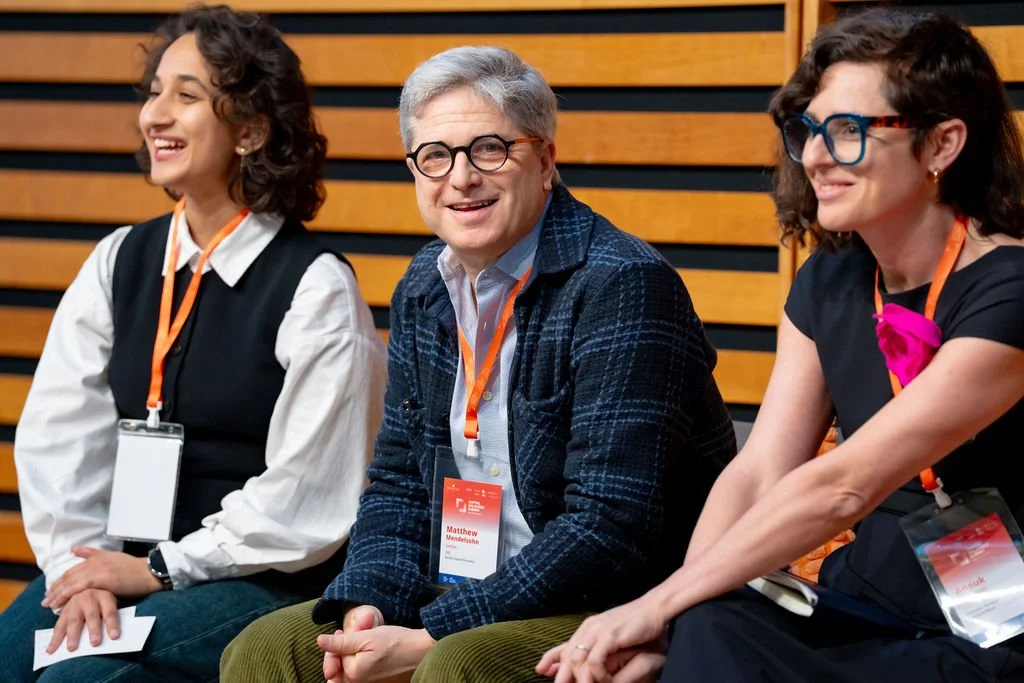
Michelle Baldwin, Co-Executive Director of Impact United Academy, led the working session to co-design the policy and infrastructure needed to unlock capital for underfunded leaders and communities. Matthew Mendelsohn (CEO, Social Capital Partners), Anouk Bertner (Executive Director, Future of Good), and Suzanne Faiza (Policy and Research Manager, Tapestry Community Capital) opened with the premise that capital is never neutral: who controls capital, who is accountable for it, and who decides how it is used will shape what it does. Viable enterprises struggle to find capital while many people want to invest in their communities, and existing intermediaries are not designed to connect them. Speakers called on the federal government to close that gap with a 30% tax credit so community investment can compete with mainstream options; rules that let cooperatives raise capital from non-members without diluting member governance; an accreditation system that gives institutional investors confidence in SMEs and non-traditional business models; and direct funding for community loan funds and more to move capital to local enterprises and organizations.
At the tables, attendees co-designed policies to strengthen community capital. They called for disability-inclusive practice as the standard, for lived experience to count as data, connecting grassroots advocacy and local community insights to broader policy change, and for metrics that track long-term social, cultural, and economic outcomes across generations.
Resources: A growing coalition is calling for community resilience to be treated as essential nation-building infrastructure. These resources explore how governments, philanthropy, and private investors can unlock more capital for affordable housing, local businesses, clean energy, and community-owned assets, and ensure that communities have greater influence over what gets financed and built. The proposed Community Resilience Strategy that was shared at Capital Unlocked includes a $3-billion federal fund designed to mobilize an additional $15 billion, alongside tax incentives, guarantees, and a stronger policy framework for community finance.
Community Resilience Campaign and Budget Statement
Canadian Coalition for Community Capital and Budget Response
Future of Finance Partnership Invitation (Future of Good)
To learn more or get involved, connect with Michelle Baldwin at michelle.baldwin@impactunited.ca
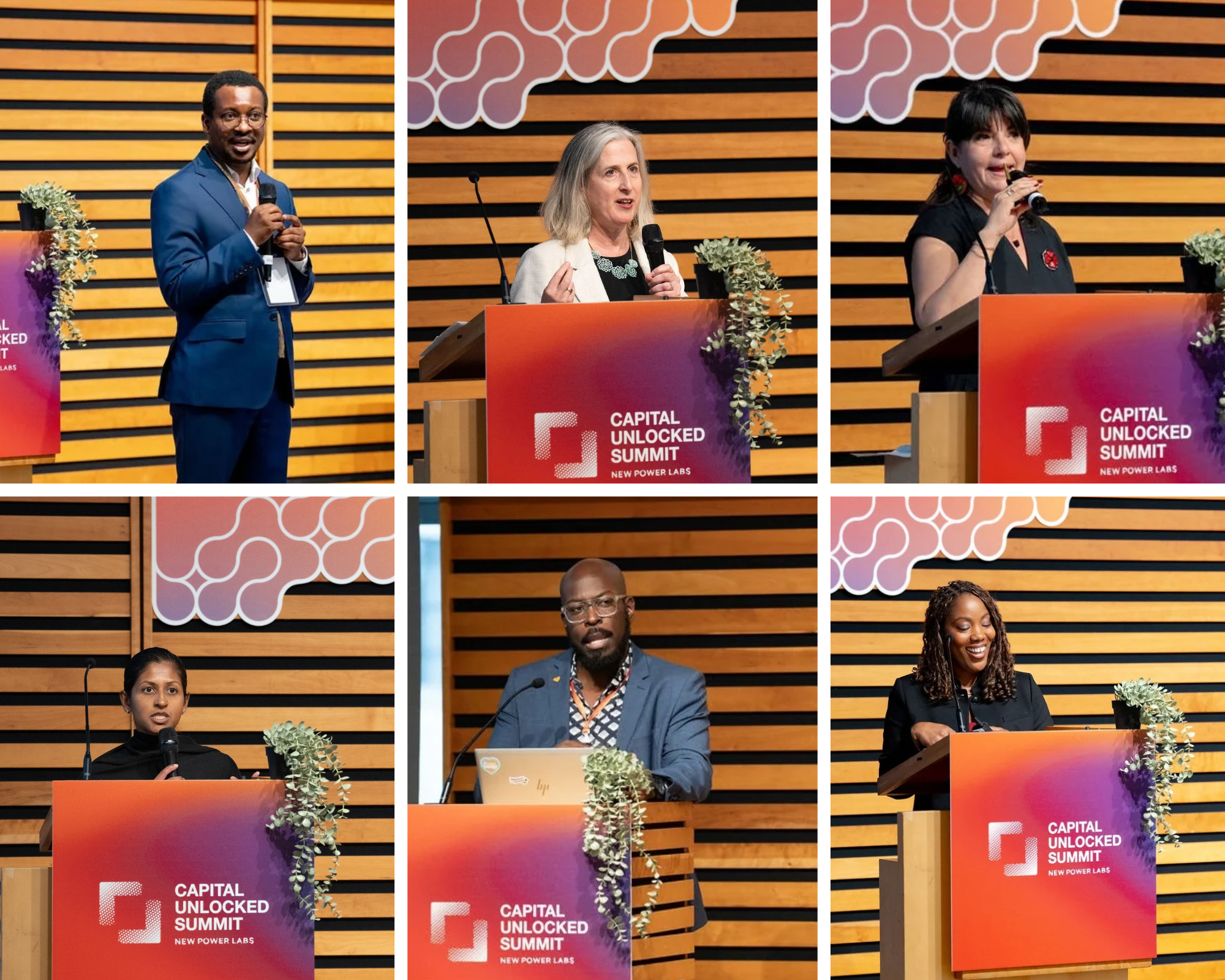
Ebenezer Arthur (Manager, BKR Capital) shared the five-year journey and impact of BKR Capital as Canada’s first institutionally-backed Black-led venture capital firm. You can review the full documentary, directed by Ben Zion Jackson, here.
Lightning Talk Series:
Natasha Freidus and Sara Wolfe (Co-Founders of Equity Cubed) challenged capital holders to look beyond who receives investment and consider who owns the outcomes. They also examined what products, programs, and capital are needed to help alternative ownership models move from promising exceptions to investable, scalable practice.
Drawing on conversations with women across the wealth spectrum, Arani Kajenthira (Founder and CEO, Impact Pollinator) explored what gives women agency over their wealth and how their rise as capital decision-makers could change where capital goes next. “By 2030, women are expected to hold over $4 trillion in assets,” she said. “That’s more capital in women’s hands than any time in history. But a lot of it is stuck or held by advisors who rarely ask what women care about.”
Christopher Trotman (Sector Development Manager, Community Impact, Alterna Savings) discussed how loan guarantees give financial institutions room to expand and test lending criteria, and change how they assess risk for good.
Aisha T. Weeks (Managing Director, The Dearfield Fund) asked attendees to move beyond diagnosing what is broken. “Imagine a world where capital shifts from extractive to a system designed for healing and restoration, supporting regenerative, inclusive and beloved communities.” Aisha asked. “What does it look like? What is your reclamation story?”
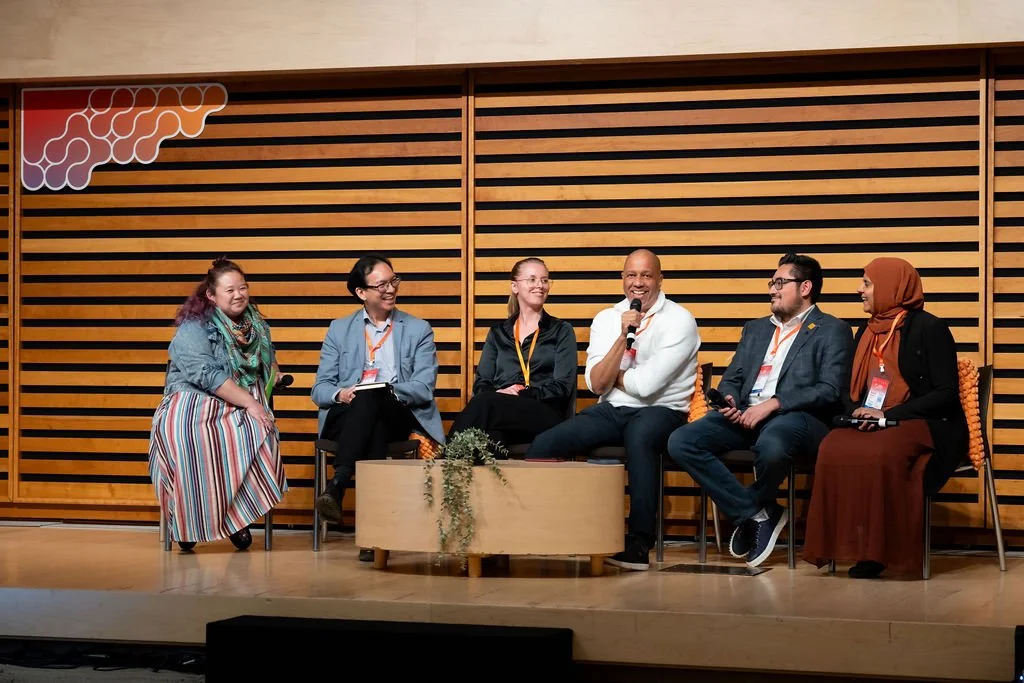
Rabia Khedr (CEO, Disability Without Poverty); Keshiv Kaushal (CIO, NextGen Impact Fund); Bryan Duarte (Managing Partner, Black Tech Capital); Eric In (Founder, Mapleric Positive Impact); and Lucy Cullen, (Co-founder & CEO, Comeback Catalyst) with Jenn Chan (Founder of Department of Imaginary Affairs) pressure-tested ideas from the floor, inspired by the Lightning Talks. The ideas that drew the most support were speed dating between funders and community organizations to cut through bureaucratic funding processes; funders conducting due diligence together to ease constraints on organizations; normalizing longer funding cycles and funding for outcomes instead of programs; and greater recognition for investors and funders who come from the communities they serve.
Resources: The Department of Imaginary Affairs is building a new series of courses for practitioners who want to imagine and practice more equitable futures, and they’re inviting people to help co-design them. Join their info session on Tuesday, November 17, 1:00 to 2:30 pm ET, to share your ideas, shape the format, and get a discount code for when registration opens. Save your spot.
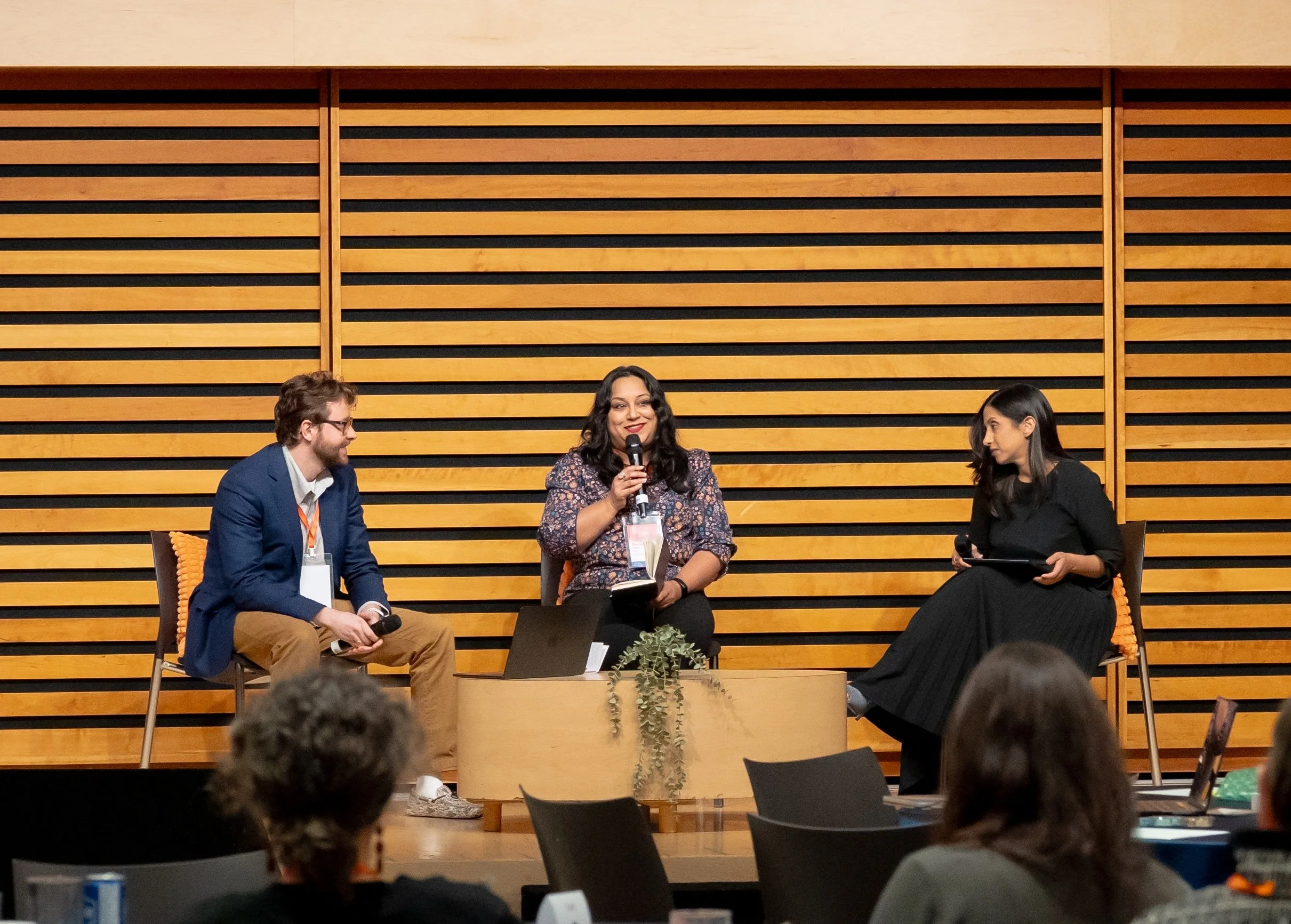
The closing panel brought together Devika Shah (Executive Director, Environment Funders Canada) and Evan Balgord (Executive Director, Canadian Anti-Hate Network), with Narinder Dhami to discuss the growing pressures on progressive movements. They also discussed how flexible, long-term, and collaborative funding can protect leaders, strengthen civil society, and build durable coalitions. Evan described a far right that is becoming better funded and organized by audience-funded content creators and media outlets, as well as by American think tanks backed by industries such as tobacco and oil and gas. Devika noted that the environmental movement increasingly recognizes it cannot succeed alone, because the root causes of many issues come down to the same conflict: big money versus the people. Progressive funders need to fund the narrative and coalition infrastructure that connects movements across issues for the long term, without waiting for every partner to agree on everything.
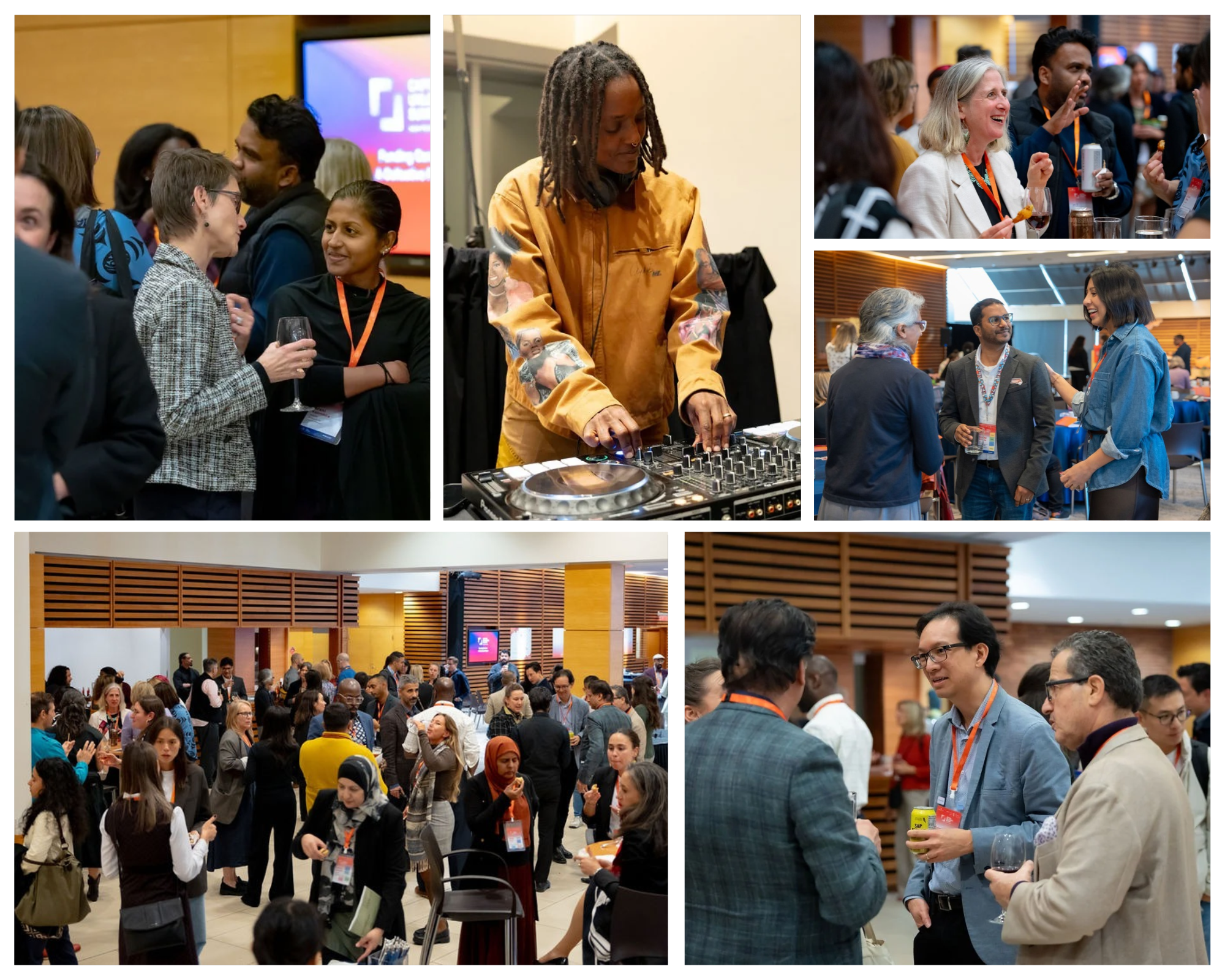
The conversations did not stop when the sessions ended. At the reception that followed, participants kept exchanging ideas late into the evening, and we hope many of those introductions become lasting partnerships towards collective action.